
The Complete Rope Manufacturing Process Explained
Rope manufacturing is a sophisticated process that combines ancient techniques with modern industrial technology. From marine applications to construction and telecommunications, quality ropes are essential across countless industries. Understanding this process helps manufacturers optimize production and buyers appreciate quality.
Overview of Rope Manufacturing
Modern rope production involves multiple stages, each critical to the final product's strength, durability, and performance. The process transforms raw fibers or wires into finished ropes through carefully controlled twisting and stranding operations.
Step 1: Raw Material Selection
The rope manufacturing journey begins with selecting appropriate materials based on the intended application:
Synthetic Fibers
- Polypropylene (PP): Lightweight, floats on water, excellent for marine applications, UV resistant, economical
- Polyester: High strength, low stretch, excellent abrasion resistance, ideal for heavy lifting
- Nylon (Polyamide): Maximum strength, high elasticity, shock absorption, premium applications
- HMPE (Dyneema/Spectra): Extreme strength-to-weight ratio, ultra-low stretch, high-performance applications
Natural Fibers
- Manila (Abaca): Traditional natural fiber, good grip, biodegradable
- Sisal: Economical, moderate strength, general purpose
- Cotton: Soft, comfortable handling, decorative applications
- Jute: Low cost, biodegradable, temporary use
Wire Materials
- Steel Wire: Maximum strength, heavy-duty lifting, construction
- Stainless Steel: Corrosion resistance, marine and chemical environments
- Galvanized Steel: Weather protection, outdoor applications
🔍 Material Inspection
Quality begins with raw material verification:
- Fiber strength testing
- Diameter consistency measurement
- Moisture content analysis
- Color uniformity check
- Contamination screening
Step 2: Yarn Preparation (Spinning)
For fiber-based ropes, raw materials must first be converted into yarns:
The Spinning Process
- Carding: Fibers are aligned and cleaned
- Drawing: Multiple strands combined and stretched for uniformity
- Roving: Slightly twisted to maintain cohesion
- Spinning: Final yarn creation with specific twist and thickness
Modern synthetic ropes often use continuous filament yarns directly from extrusion, bypassing traditional spinning.
Step 3: Primary Twisting (Yarn to Strand)
This is where specialized twisting machines become essential. Multiple yarns are twisted together to form strands:
⚙️ Primary Twisting Parameters
- Twist Direction: Typically "Z-twist" (clockwise) for first operation
- Twist Per Meter (TPM): 200-800 TPM depending on material and application
- Tension Control: Critical for uniform strand quality
- Speed: 500-2000 RPM for modern machines
Machine Requirements
Primary twisting requires precision machinery such as:
- Ring Twisting Machines: Traditional method, excellent control
- Two-for-One Twisters: Double the productivity, ideal for high-volume
- Cable Machines: Heavy-duty for wire and large-diameter applications
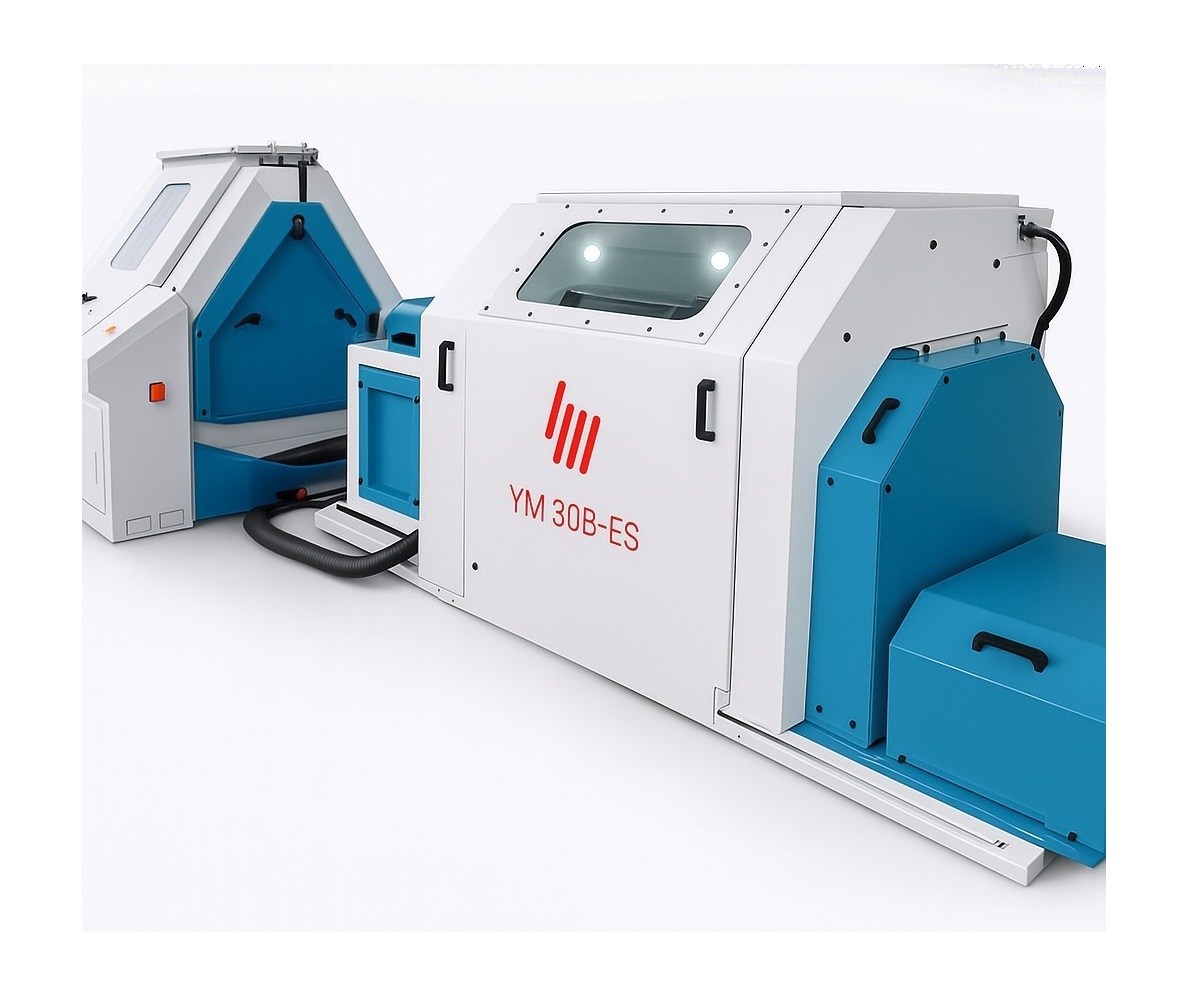
At Cirmantech, our YM series twisting machines (YM206, YM380ES, YM530, YM630) are specifically designed for this critical phase, offering:
- Precise tension control across all spindles
- Variable speed with digital control
- Automatic stop on yarn break
- Energy-efficient operation
Step 4: Secondary Stranding (Strand to Rope)
Multiple strands are twisted together in the opposite direction to create the final rope structure:
Common Rope Constructions
3-Strand Rope (Twisted Rope)
- Most common construction
- Easy to splice
- Moderate strength
- Good flexibility
- Economical production
4-Strand Rope
- Usually with a core
- Better strength than 3-strand
- Reduced rotation under load
- Used in mooring and towing
8-Strand and 12-Strand Rope
- Braided construction
- Maximum strength
- Minimum stretch
- Premium applications
- Complex production
Wire Rope
- Multiple wire strands around a core
- 6×19, 6×36 configurations common
- Maximum load capacity
- Requires specialized machines
⚙️ Secondary Stranding Parameters
- Twist Direction: Opposite to primary (usually "S-twist" / counterclockwise)
- Lay Length: Distance for one complete revolution (affects flexibility vs. strength)
- Strand Tension Balance: All strands must have identical tension
- Core Material: May use fiber core for flexibility or wire core for strength
Step 5: Heat Setting and Stabilization
For synthetic ropes, heat treatment is crucial to lock in the twist and prevent unraveling:
Heat Setting Process
- Pre-tension: Rope placed under controlled tension
- Heat Application: Steam or dry heat (80-140°C depending on material)
- Dwell Time: Maintained at temperature (typically 10-30 minutes)
- Controlled Cooling: Gradual temperature reduction
- Relaxation: Tension release after cooling
Benefits of Heat Setting
- Dimensional stability
- Prevents rope untwisting
- Improves handling characteristics
- Reduces constructional stretch
- Enhances longevity
Step 6: Finishing Operations
Surface Treatment
Depending on application requirements:
- Wax Coating: Improves abrasion resistance, water repellency
- Oil Treatment: Flexibility, corrosion protection for wire ropes
- UV Coating: Extended outdoor life
- Flame Retardant: Safety applications
- Color Dying: Identification, aesthetics
End Finishing
- Heat Sealing: Prevents synthetic fiber fraying
- Whipping: Traditional binding with cord
- Ferrule Attachment: Metal crimping for wire ropes
- Eye Splicing: Permanent loop formation
- Tag Attachment: Identification and specification labels
Step 7: Quality Control and Testing
Rigorous quality control ensures every rope meets specifications:
🔬 Quality Control Checks
Visual Inspection
- Strand uniformity
- Surface defects
- Color consistency
- Proper twist direction
Dimensional Verification
- Diameter tolerance (±3-5%)
- Length accuracy
- Lay length consistency
Physical Testing
- Breaking Strength: Destructive test on samples
- Elongation: Stretch under load measurement
- Abrasion Resistance: Cyclical testing
- UV Resistance: Accelerated aging (for outdoor use)
Documentation
- Batch tracking
- Test certificates
- Material traceability
- Compliance verification
Step 8: Packaging and Storage
Proper Packaging Methods
- Reels/Drums: Large diameter ropes, prevents kinking
- Coils: Medium size, space-efficient
- Hanks: Small ropes, retail packaging
- Spools: Wire ropes, controlled uncoiling
Storage Considerations
- Cool, dry environment
- Protected from UV exposure
- Adequate ventilation
- Organized by batch and specification
- FIFO (First In, First Out) inventory management
Critical Success Factors in Rope Manufacturing
1. Precision Machinery
Modern twisting machines with digital controls ensure:
- Consistent twist rates across all spindles
- Uniform tension throughout production
- Minimal variation between batches
- High productivity with low defect rates
2. Operator Skill
- Understanding material behavior
- Machine parameter optimization
- Quality recognition
- Troubleshooting expertise
3. Process Control
- Environmental conditions (temperature, humidity)
- Material conditioning before processing
- Regular equipment calibration
- Statistical process control
4. Quality Standards Compliance
Manufacturers must adhere to relevant standards:
- ISO 1140: Fiber ropes - Polyamide
- ISO 1141: Fiber ropes - Polyester
- ISO 1346: Fiber ropes - Polypropylene
- ISO 2307: Fiber ropes - Determination of breaking strength
- EN 12385: Steel wire ropes - Safety
Modern Innovations in Rope Manufacturing
Automation and Industry 4.0
- PLC-Controlled Systems: Automated parameter adjustment
- Real-Time Monitoring: IoT sensors for quality tracking
- Predictive Maintenance: AI-driven equipment monitoring
- Digital Twins: Virtual production simulation
Advanced Materials
- UHMWPE Fibers: 15x stronger than steel by weight
- Aramid (Kevlar): Heat resistance + strength
- PBO (Zylon): Extreme performance applications
- Hybrid Constructions: Combining multiple fiber types
Sustainability Initiatives
- Recycled PET fiber ropes
- Biodegradable natural fiber options
- Energy-efficient machinery (30-40% reduction with modern equipment)
- Waste minimization programs
Our twisting and stranding machines incorporate the latest technology to help manufacturers produce consistent, high-quality ropes efficiently. From compact YM206 models for small operations to heavy-duty YM630ES systems for industrial scale production, we provide complete solutions for the rope manufacturing industry.
Conclusion
Rope manufacturing is a precise, multi-stage process that transforms raw materials into essential industrial products. Success requires the right combination of quality materials, precision machinery, skilled operators, and rigorous quality control.
Whether you're establishing a new rope manufacturing operation or upgrading existing equipment, understanding this process is crucial for making informed decisions.
At Cirmantech, we don't just sell machinery - we partner with manufacturers to optimize their entire production process, from equipment selection through operator training and ongoing technical support.